


The Engine of a Digital Nation: An Introduction to the Nigeria Telecom Industry
In the heart of Africa's most populous nation, a dynamic and transformative sector has emerged as the central nervous system of the modern economy and society. The vibrant and highly competitive Nigeria Telecom industry is the critical infrastructure that connects over 200 million people, powers a burgeoning digital economy, and provides the essential foundation for future growth and innovation. This industry, liberalized in the early 2000s, has been one of the most remarkable success stories in the nation's recent history, moving from a state of low connectivity to becoming one of the largest and most active mobile markets on the continent. The sector encompasses a wide range of services, dominated by mobile voice and data, but also including fixed-line services, internet service providers (ISPs), and the physical infrastructure of cell towers and fiber optic cables. It is the indispensable enabler of everything from mobile banking and e-commerce to social media and digital government services, making the telecom industry not just a business sector, but a fundamental pillar of Nigeria's national development and its integration into the global digital world.
The cornerstone of the Nigerian telecom industry is, without question, the mobile telecommunications sector. The country has a profoundly "mobile-first" and, in many cases, "mobile-only" digital landscape. For the vast majority of Nigerians, a mobile phone is their primary and often only connection to the internet. The market is characterized by intense competition between a handful of major Mobile Network Operators (MNOs), who have invested billions of dollars in building out their network infrastructure across the country's vast and diverse terrain. This competition has driven down the cost of voice calls and, more importantly, has made mobile data increasingly affordable and accessible to a large segment of the population. The operators offer a wide range of services, primarily on a prepaid basis, which is the dominant model for the mass market. This includes not just voice and SMS, but a variety of data bundles catering to different usage patterns and budgets. The widespread adoption of 4G/LTE technology has significantly improved the quality and speed of mobile internet, enabling a richer digital experience, from video streaming to online gaming, and providing the essential connectivity for a host of digital services.
While the mobile segment is dominant, the fixed-line and broader internet service provider (ISP) market also plays a crucial role, particularly for enterprise and high-end residential customers. The fixed-line infrastructure, which was historically underdeveloped, is slowly being modernized, with a growing deployment of fiber optic cables in major urban centers like Lagos, Abuja, and Port Harcourt. A number of specialized ISPs and fiber-to-the-home (FTTH) providers are offering high-speed broadband services to businesses and affluent residential areas, providing a more stable and higher-capacity alternative to mobile internet. This fiber backbone is also critical for the mobile operators themselves, as it provides the essential "backhaul" needed to connect their cell towers to the core network and the global internet. The development of this underlying fiber infrastructure is a key focus for both private investment and government policy, as it is essential for supporting the ever-increasing data demands of the mobile networks and for enabling the next generation of digital services.
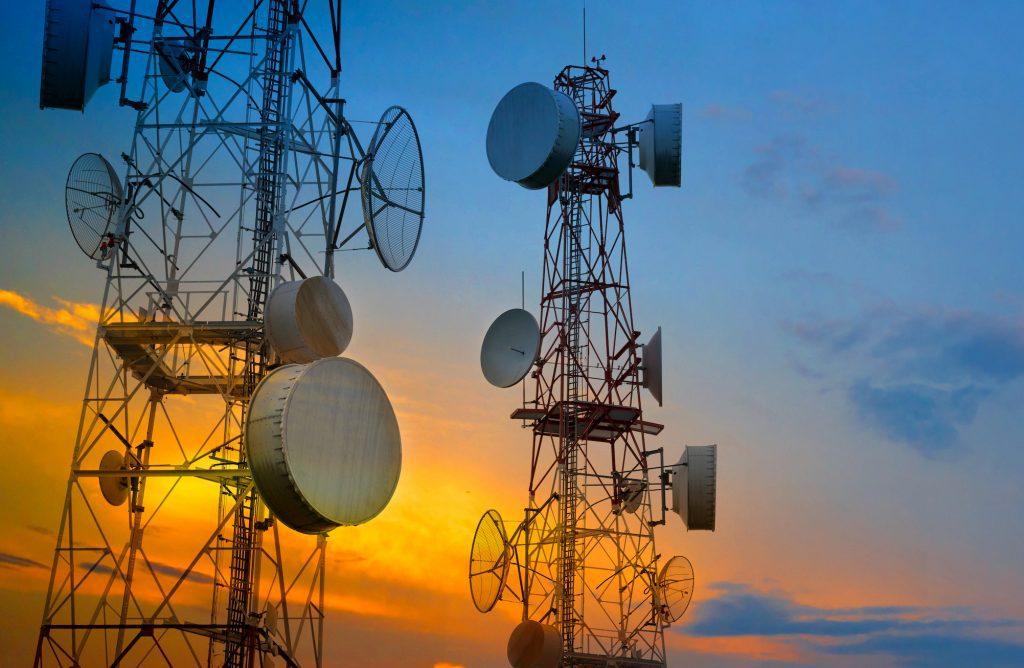
Finally, the entire industry is supported and shaped by a critical infrastructure and regulatory ecosystem. The physical infrastructure includes thousands of telecom towers, which are the passive structures that host the MNOs' active radio equipment. In recent years, there has been a major trend of the MNOs selling their tower assets to specialized, independent tower companies ("TowerCos"). This allows the MNOs to free up capital and focus on their core service offerings, while the TowerCos can achieve greater efficiency by leasing space on a single tower to multiple operators. This tower-sharing model has been crucial for accelerating network expansion and improving operational efficiency. The entire industry operates under the purview of the Nigerian Communications Commission (NCC), the independent regulatory body. The NCC plays a vital role in licensing operators, managing the radio spectrum, setting rules for competition, and promoting consumer protection. The effectiveness and forward-looking policies of the NCC have been a key factor in the industry's growth and its ability to attract sustained investment.
Top Trending Reports:

 English
 Arabic
 French
 Spanish
 Portuguese
 Deutsch
 Turkish
 Dutch
Dutch
 Italiano
 Russian
 Romaian
 Portuguese (Brazil)