


The Science Behind PRP Hair Treatment and Hair Regeneration
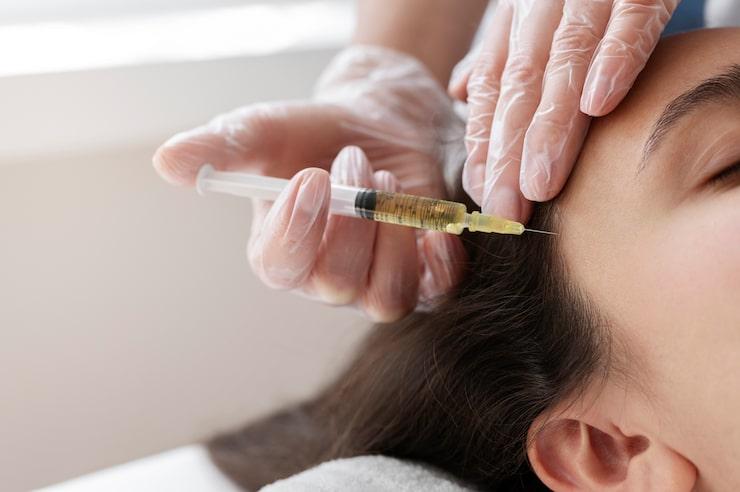
Hair loss is a common concern affecting millions of people worldwide. As research in regenerative medicine continues to advance, new treatments are emerging that focus on stimulating the body’s natural healing processes. One of the most widely discussed approaches is PRP Hair Treatment, a procedure that uses platelet-rich plasma derived from a patient’s own blood to encourage hair regrowth. This innovative therapy is based on scientific principles related to cellular regeneration and growth factors. By understanding the science behind this treatment, individuals can better appreciate how it helps support healthier hair follicles and promotes natural hair regeneration.
Understanding the Biology of Hair Growth:
Hair growth occurs through a complex biological cycle that involves multiple phases. Each hair follicle operates independently and moves through stages of growth, rest, and shedding. When this cycle is disrupted, hair thinning and loss can occur. Scientific research shows that healthy follicles require proper blood supply, nutrients, and cellular activity to maintain normal hair production.
The natural hair growth cycle includes several phases:
-
The anagen phase, where hair actively grows
-
The catagen phase, a short transitional stage
-
The telogen phase, where hair rests before shedding
-
Renewal of the follicle to begin a new growth cycle
Disruptions in this cycle caused by genetics, hormonal changes, or environmental factors can lead to weaker hair strands and reduced hair density.
What Platelet-Rich Plasma Is:
Platelet-rich plasma is a concentrated portion of blood that contains a higher number of platelets than normal circulation. Platelets are known for their role in healing injuries and repairing tissues. They release important proteins called growth factors that stimulate cellular activity and regeneration. In regenerative medicine, these growth factors are used to accelerate healing and improve tissue function.
Platelet-rich plasma contains several biological components that support regeneration:
-
Growth factors that stimulate cell repair
-
Proteins that support tissue regeneration
-
Signaling molecules that activate stem cells
-
Nutrients that improve cell survival
When applied to the scalp, these components help create a favorable environment for hair follicles to recover and function more effectively.
The Role of Growth Factors in Hair Regeneration:
Growth factors are the key scientific element that makes platelet therapy effective. These proteins act as messengers between cells, signaling them to repair damage and stimulate new growth. When platelet-rich plasma is introduced into the scalp, the growth factors begin interacting with hair follicle cells.
Important growth factors found in platelet-rich plasma include:
-
Platelet-derived growth factor that supports tissue repair
-
Vascular endothelial growth factor that promotes blood vessel formation
-
Epidermal growth factor that stimulates cell growth
-
Transforming growth factor that regulates tissue regeneration
These biological signals encourage the hair follicles to shift back into the active growth phase, which can lead to stronger and healthier hair production.
How PRP Stimulates Hair Follicles:
The main scientific principle behind PRP Hair Treatment is follicle stimulation through regenerative signals. When platelet-rich plasma is injected into areas of the scalp experiencing thinning, the concentrated growth factors begin activating nearby cells. This process increases blood circulation and encourages dormant follicles to become active again.
PRP stimulates hair follicles through several mechanisms:
-
Improving blood supply to the scalp
-
Activating stem cells around hair follicles
-
Enhancing the survival of follicle cells
-
Encouraging follicles to enter the growth phase
-
Strengthening the hair shaft and root structure
These combined effects help create a supportive environment where hair follicles can produce thicker and healthier strands.
The Treatment Process and Scientific Preparation:
The preparation of platelet-rich plasma is an important scientific step that ensures the therapy is effective. The process begins with drawing a small blood sample from the patient. This sample is placed in a centrifuge, which spins the blood at high speed to separate its components. The centrifugation process concentrates the platelets in the plasma layer.
The preparation process typically involves:
-
Drawing a small blood sample
-
Placing the sample in a centrifuge machine
-
Spinning the blood to separate components
-
Extracting the platelet-rich plasma layer
-
Preparing the plasma for scalp injections
This controlled method ensures that the plasma used in the treatment contains a high concentration of growth factors needed for regeneration.
Scientific Evidence Supporting PRP Therapy:
Research in dermatology and regenerative medicine has provided growing evidence supporting the use of platelet therapy for hair restoration. Several clinical studies have shown improvements in hair density, follicle activity, and hair thickness after treatment.
Scientific findings often highlight improvements such as:
-
Increased number of active hair follicles
-
Improved hair shaft thickness
-
Enhanced blood circulation in the scalp
-
Reduced hair shedding
-
Gradual regrowth of hair in thinning areas
These findings suggest that platelet therapy can play a meaningful role in supporting hair regeneration when used in appropriate cases.
Advantages of Regenerative Hair Treatments:
Regenerative therapies have become increasingly popular because they focus on repairing and restoring biological functions rather than simply masking symptoms. Platelet therapy fits into this category by promoting natural healing within the scalp.
Key advantages of regenerative treatments include:
-
Use of the patient’s own biological material
-
Minimally invasive procedure
-
Short treatment sessions
-
Minimal downtime after treatment
-
Support for natural hair growth processes
These characteristics make regenerative approaches appealing to individuals seeking advanced solutions for hair thinning.
Factors That Influence Treatment Results:
While platelet therapy can support hair regeneration, the effectiveness of the treatment can vary depending on several factors. Individual scalp health, the stage of hair thinning, and overall lifestyle habits all play important roles in determining the outcome.
Factors that may influence results include:
-
The severity of hair loss
-
The health of existing hair follicles
-
Nutritional status and overall health
-
Stress levels and hormonal balance
-
Consistency of treatment sessions
Understanding these factors helps patients set realistic expectations and encourages them to support treatment with healthy habits.
Supporting Hair Regeneration with Healthy Habits:
Scientific research also emphasizes the importance of maintaining a healthy lifestyle to support hair regeneration. While regenerative therapies can stimulate follicle activity, proper care and nutrition help sustain the results.
Helpful habits for supporting hair health include:
-
Eating a balanced diet rich in vitamins and proteins
-
Maintaining good scalp hygiene
-
Avoiding excessive heat styling or harsh chemicals
-
Managing stress levels
-
Following recommended follow-up sessions
Combining these habits with regenerative therapies can enhance overall hair health and improve long-term results.
Final Thoughts
The science behind PRP Hair Treatment highlights the power of regenerative medicine in addressing hair thinning and hair loss. By using platelet-rich plasma derived from the patient’s own blood, the treatment delivers growth factors that stimulate hair follicles and support natural hair regeneration. Scientific research continues to explore the full potential of this therapy, but current findings already demonstrate its ability to improve hair density and follicle activity. For individuals seeking modern and minimally invasive solutions, platelet therapy represents an innovative approach that combines biological science with advanced aesthetic treatment methods.

 English
 Arabic
 French
 Spanish
 Portuguese
 Deutsch
 Turkish
 Dutch
Dutch
 Italiano
 Russian
 Romaian
 Greek
Greek