


On-Shelf Availability Solution Industry Transforming Retail Execution And Inventory Visibility Worldwide
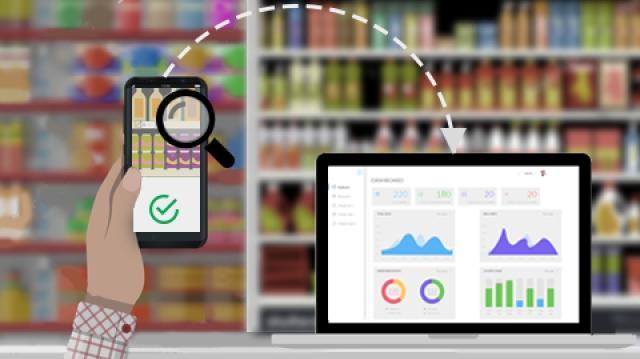
The On-Shelf Availability Solution industry addresses one of retail’s most persistent problems: empty shelves and misplaced stock that silently erode sales and brand loyalty. On‑shelf availability (OSA) solutions combine data from POS systems, planograms, inventory records, IoT sensors, handheld devices, and increasingly computer‑vision cameras to detect when products are missing, misplaced, or at risk of going out of stock. These platforms alert store staff, automate replenishment orders, and provide root‑cause analytics across the supply chain. CPG manufacturers, retailers, and third‑party merchandisers leverage OSA technology to close the gap between theoretical stock and what shoppers actually see in the aisle, improving revenue, reducing waste, and enhancing the customer experience. As omnichannel expectations rise, OSA has become a critical capability rather than a nice‑to‑have.
At the core, modern solutions aim to provide near real‑time visibility at SKU‑store level. Image‑recognition systems mounted on shelves, robots, or ceiling cameras scan gondolas and compare them against planograms and inventory data. When they detect gaps, incorrect facings, or phantom inventory, alerts are pushed to associates via mobile apps or task‑management systems. Traditional electronic data interchange (EDI) feeds and POS data are augmented with scan‑based trading information and store‑execution feedback from reps. By unifying these data streams, the On-Shelf Availability Solution industry moves beyond simple out‑of‑stock flags toward granular, actionable insights: which products, in which stores, at what times, and why.
The benefits extend across stakeholders. Retailers improve sales and basket size by ensuring high‑velocity and promotional items are always available. They also reduce labor inefficiencies, directing staff to the highest‑impact tasks instead of time‑consuming manual audits. Manufacturers gain visibility into how their brands perform at the shelf versus competitors, spotting execution gaps in promotions, new‑product launches, and planogram compliance. Supply‑chain teams use OSA data to refine safety‑stock policies, DC‑to‑store replenishment, and assortment strategies. Even shoppers indirectly benefit through better on‑shelf reliability, fewer substitutions, and more consistent price and promotion experiences across locations and channels.
Looking ahead, the industry is moving toward AI‑driven automation and deeper ecosystem integration. Computer‑vision accuracy continues to improve, enabling full‑store coverage with fewer devices. Predictive models will forecast upcoming OOS risks based on demand patterns, weather, local events, and supply constraints, triggering proactive actions instead of reactive fixes. Integration with retailer and manufacturer planning systems will close the loop between shelf‑edge reality and upstream decisions on production, allocation, and merchandising. Vendors that combine accurate detection, seamless store‑level workflows, and robust analytics into scalable, easy‑to‑deploy packages will lead this evolving and increasingly strategic category.
Top Trending Reports:
Mobile Collaboration Productivity And Innovation From Workplace Market

 English
 Arabic
 Spanish
 Portuguese
 Deutsch
 Turkish
 Dutch
Dutch
 Italiano
 Russian
 Romaian
 Portuguese (Brazil)
 Greek
Greek